Oportunidades para las empresas y ventajas estratégicas (Parte 1)
En los últimos años, México se ha convertido en uno de los destinos más atractivos para las empresas que buscan optimizar sus cadenas de suministro y acercar sus operaciones a sus principales mercados de consumo.
Este fenómeno conocido como nearshoring en México representa una transformación importante en la forma en que las compañías producen, distribuyen y gestionan sus operaciones internacionales.
A diferencia de los modelos tradicionales donde las empresas trasladaban su producción a países lejanos buscando reducir costos, el nearshoring busca establecer operaciones en ubicaciones estratégicas más cercanas, reduciendo tiempos de entrega, riesgos logísticos y costos asociados al transporte internacional.
Para México, esta tendencia representa una gran oportunidad de crecimiento económico, inversión extranjera y desarrollo de nuevos servicios relacionados con la logística, manufactura y comercio internacional.
¿Qué es el nearshoring y por qué está creciendo en México?
El nearshoring es una estrategia empresarial que consiste en trasladar parte de la producción, manufactura o servicios a un país cercano al mercado principal donde se comercializan los productos.

Por ejemplo, una empresa estadounidense que anteriormente fabricaba sus productos en Asia puede decidir establecer operaciones en México para estar más cerca de Estados Unidos y mejorar su eficiencia logística.
Este modelo permite que las empresas tengan:
- Menores tiempos de transporte.
- Mayor control sobre su cadena de suministro.
- Reducción de riesgos internacionales.
- Mayor capacidad de respuesta ante cambios del mercado.
- Mejor comunicación con proveedores y clientes.
El crecimiento del nearshoring tomó mayor relevancia después de diferentes acontecimientos globales que demostraron la importancia de contar con cadenas de suministro más resistentes y flexibles.
¿Por qué México es un destino atractivo para el nearshoring?
México cuenta con características que lo convierten en una ubicación estratégica para empresas nacionales e internacionales.
1. Cercanía con Estados Unidos
Uno de los principales beneficios del nearshoring en México es su ubicación geográfica. Compartir frontera con Estados Unidos permite que las empresas puedan transportar mercancías de manera más rápida y eficiente en comparación con proveedores ubicados en otros continentes.
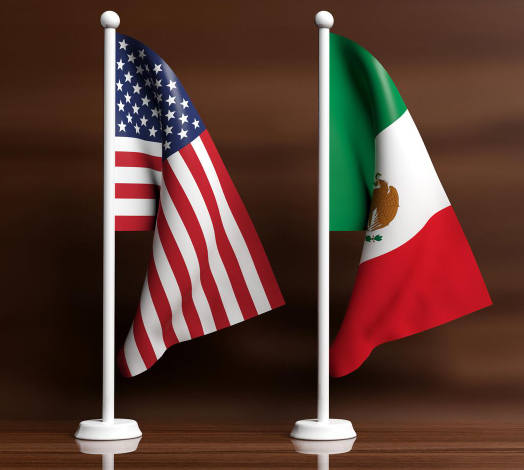
Esta cercanía representa una ventaja competitiva especialmente para industrias donde el tiempo de entrega es fundamental. Sectores como:
- Automotriz
- Tecnología
- Electrónica
- Manufactura
- Dispositivos médicos
- Aeroespacial
Pueden beneficiarse significativamente de una cadena de suministro más cercana.
2. Infraestructura logística en crecimiento
Para que el nearshoring funcione correctamente, no solamente se necesita inversión en fábricas; también es indispensable contar con una infraestructura logística eficiente.
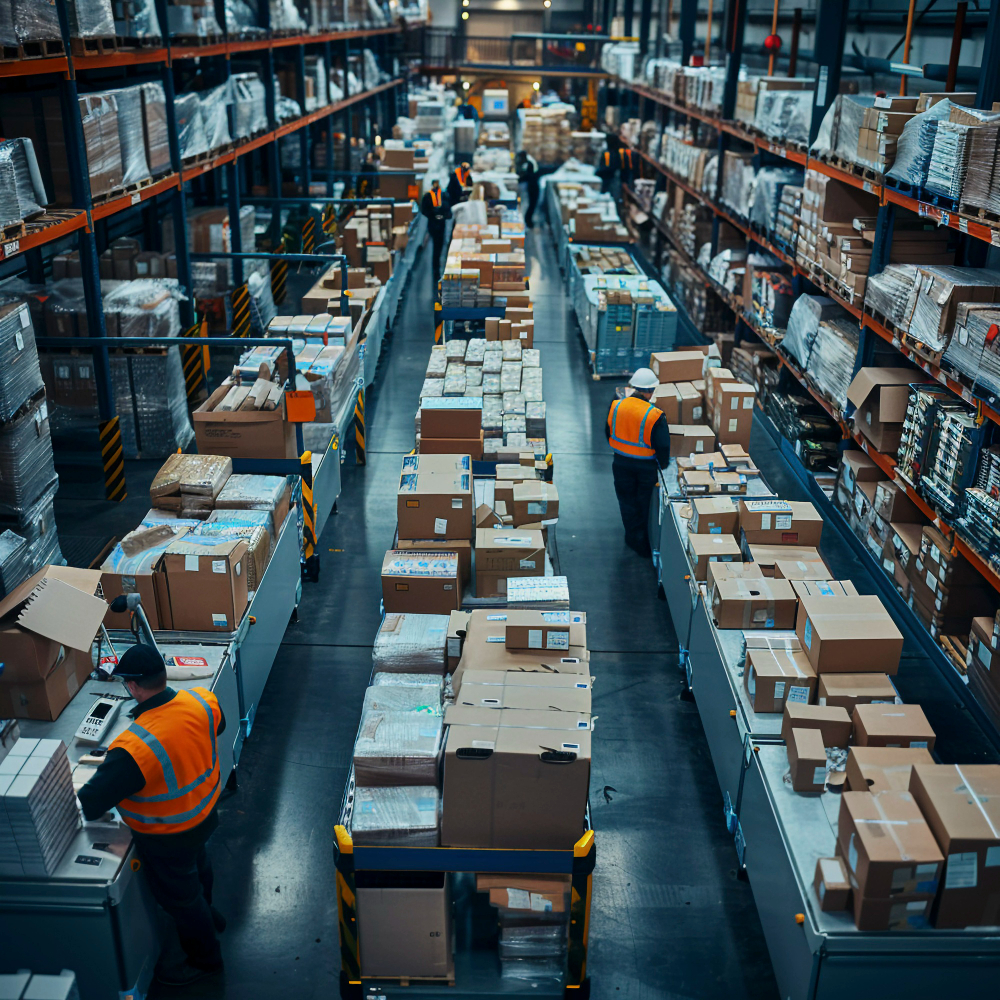
México cuenta con:
- Puertos marítimos estratégicos.
- Aeropuertos internacionales.
- Corredores industriales.
- Cruces fronterizos.
- Centros de distribución.
La logística se convierte en un elemento clave para conectar proveedores, fabricantes y consumidores finales. Una empresa puede tener una excelente operación productiva, pero si no cuenta con una estrategia logística adecuada, puede enfrentar retrasos, costos adicionales y problemas de distribución.
Sectores con mayores oportunidades gracias al nearshoring
- Tecnología y electrónica: La demanda de productos tecnológicos continúa creciendo, y muchas empresas buscan nuevas ubicaciones para fabricar componentes electrónicos más cerca de sus consumidores. México representa una oportunidad para desarrollar cadenas de suministro más ágiles.
- Dispositivos médicos: La industria médica requiere altos estándares de calidad, trazabilidad y eficiencia logística. La ubicación estratégica de México permite atender mercados internacionales con mayor rapidez.
- E-commerce y distribución: El crecimiento del comercio electrónico también ha generado nuevas necesidades logísticas. Las empresas requieren almacenamiento estratégico, preparación de pedidos, distribución nacional e internacional, y soluciones de última milla. Por esta razón, los operadores logísticos tienen un papel fundamental dentro del ecosistema del nearshoring.
Conclusión
El nearshoring representa una oportunidad estratégica para México gracias a su cercanía con Estados Unidos, su infraestructura logística y su experiencia en sectores como la manufactura, la tecnología, la electrónica y los dispositivos médicos. Esta tendencia permite a las empresas reducir tiempos de entrega, costos de transporte y riesgos dentro de sus cadenas de suministro.
Para aprovechar plenamente este crecimiento, será fundamental fortalecer la infraestructura, los centros de distribución y los servicios logísticos. Las empresas que desarrollen operaciones eficientes y flexibles estarán mejor preparadas para beneficiarse de las nuevas inversiones y del crecimiento del comercio internacional.