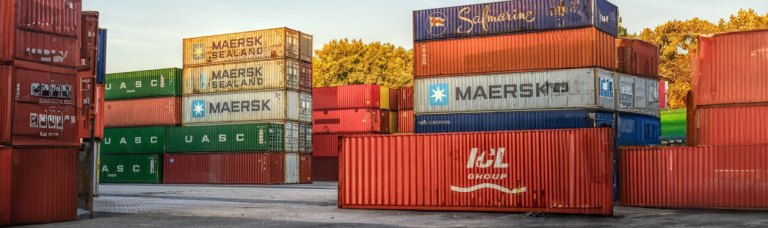
Packaging and Labeling Strategies: The Key to Safe, Efficient, and Memorable Shipments
Packaging and labeling are no longer simple operational steps, but have become key strategies for efficiency, safety, and customer experience. A well-packaged and correctly labeled package not only reduces losses and returns, it also optimizes costs, speeds up processes, and strengthens trust in the brand.

At HounExpress, we understand that every shipment tells a story: from the moment the customer makes their purchase to the moment they receive their package at their doorstep. That's why we explore modern and practical packaging and labeling strategies, designed for companies, entrepreneurs, and users looking for safer, more professional, and more competitive shipments.
1. Packaging as the first line of protection
Packaging serves an essential purpose: protecting the contents throughout the entire logistics process. However, today it must also adapt to new challenges such as sustainability, automation, and cost optimization.
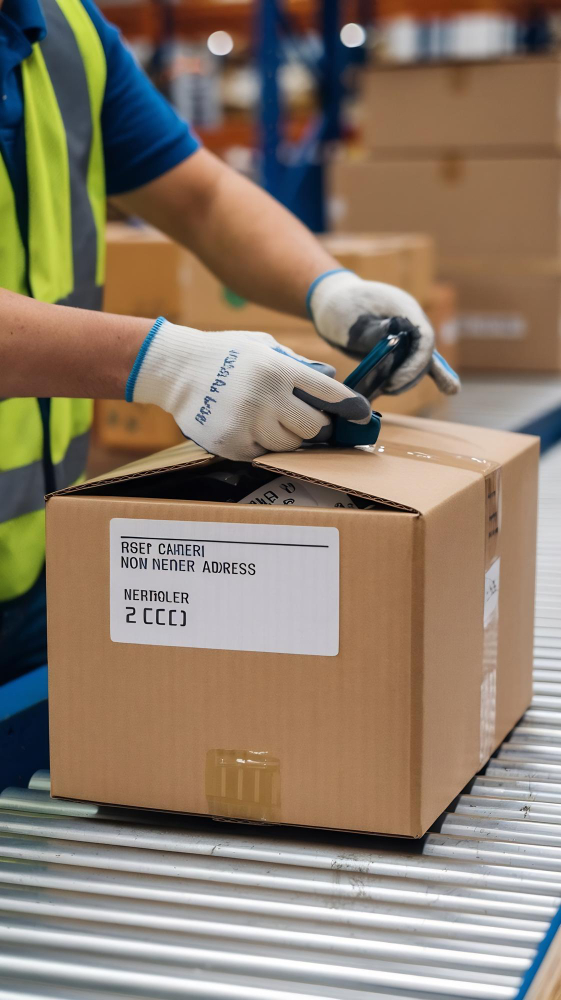
1.1 Proper selection of materials
Choosing the right material depends on the type of product, its fragility, weight, and destination. Some best practices include:
- Double or triple wall corrugated cardboard for heavy or fragile products.
- Padded envelopes for small, sturdy items.
- Internal fillings such as kraft paper, recyclable bubble wrap, or air cushions to prevent internal movement.
A common mistake is to use boxes that are larger than necessary. This increases shipping costs and increases the risk of damage. The rule of thumb is: the right size, with adequate protection.
1.2 Packaging according to the type of shipment
Not all shipments are treated equally:
- Domestic shipments: these usually require less reinforcement, but the impact of handling should not be underestimated.
- International shipments: require more resistant packaging, considering climate changes, multiple transfers, and customs inspections.
- Consolidation of packages: when several items are shipped together, the packaging must protect each product individually and the whole package.
A well-implemented strategy reduces complaints and improves operational efficiency.
2. Nearshoring 2026: From Expectation to Industrial Consolidation
2.1 Clear and standardized information
An effective label should include:
- Recipient's full name
- Clear address without confusing abbreviations
- Correct postal code
- Contact telephone number
- Internal identifier (such as PIN or customer number)
For services such as P.O. Boxes or international mailboxes, this last point is crucial for the correct identification of the package.
2.2 Readability and technology
The labels must be:
- Printed, not handwritten
- Water and friction resistant
- Placed on a flat, visible surface
In addition, the use of barcodes or QR codes allows for:
- Real-time tracking
- Less human error
- Integration with logistics systems
A misplaced or damaged label can delay a shipment by several days.
3. Packaging strategies focused on the customer experience
Today, packaging also communicates brand. A well-presented package generates trust and recall.
3.1 Functional packaging with identity
It's not about luxury, but consistency:
- Use of neutral or corporate colors
- Short messages inside the package
- Secure and clean closure
This is especially relevant in e-commerce, where unboxing is part of the customer experience.
3.2 Reduction in returns
Poor packaging is one of the main causes of returns. Investing in a good strategy reduces:
- Damage to the product
- Reverse logistics costs
- Customer dissatisfaction
In the long term, good packaging is always more economical.
4. Sustainability: a strategy that is no longer optional

Sustainable packaging is increasingly valued by consumers and businesses.
4.1 Responsible materials
Some recommended practices:
- Recycled or recyclable cardboard
- Biodegradable fillers
- Reduction of unnecessary plastics
In addition to helping the environment, these decisions improve brand perception.
4.2 Logistics optimization
Less material and better design mean:
- Lower volumetric weight
- Savings on shipping costs
- Lower carbon footprint
Sustainability is also efficiency.
5. Common errors in packaging and labeling
Avoiding these mistakes can make all the difference:
- Do not include an internal identifier
- Using damaged or reused boxes without reinforcement
- Labels covered with tape or poorly positioned
- Mixing information on different sides of the package
A final review before shipping can prevent most problems.
6. The role of HounExpress in an efficient logistics strategy
At HounExpress, we know that a successful shipment begins before the package leaves the warehouse. That's why we support our customers with:
- Advice on package consolidation
- Clear identification and labeling processes
- Careful handling in the warehouse
- Focus on efficiency and safety
Our goal is for every package to arrive at its destination correctly identified, protected, and on time.
Conclusion
Packaging and labeling strategies are not a minor detail: they are a direct investment in efficiency, safety, and customer satisfaction. In an increasingly competitive market, those who optimize these processes have a clear advantage.
Good packaging protects. Good labeling communicates. Together, they make logistics work.
Ready to take your operation to the next level?
If your company is ready to take that step, at Hound Express we have the experience, technology, and infrastructure to support you.
We connect Mexico with the world. And we do it intelligently.